Electric Motorcycle Motors Gain Industry Attention
Electric motorcycles are becoming an important category within the two-wheeler market, creating new requirements for motor design and production. At the center of these vehicles is the electric motor, which converts electrical energy from the battery into mechanical power for the wheels.
Electric Motorcycle Motor Manufacturers are developing different motor configurations for scooters, commuter motorcycles, delivery vehicles, and other electric two-wheelers. Their work covers motor structure, winding design, magnetic components, cooling arrangements, controller compatibility, and production processes.
The motor is not an isolated component. Its dimensions, output characteristics, and connection method need to correspond with the battery, controller, transmission system, and motorcycle frame.
Hub Motors And Mid-Drive Designs
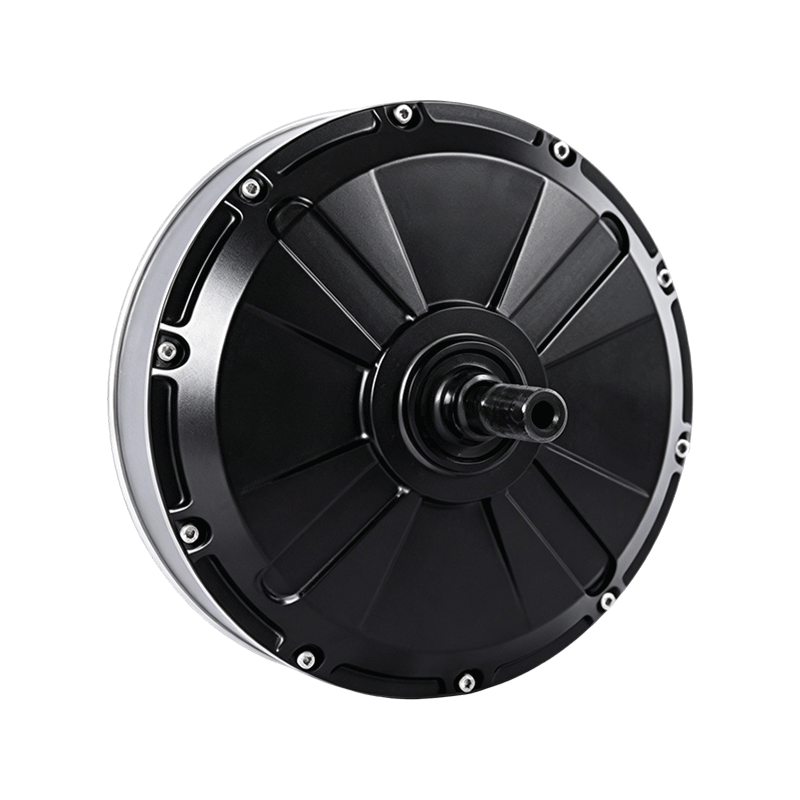
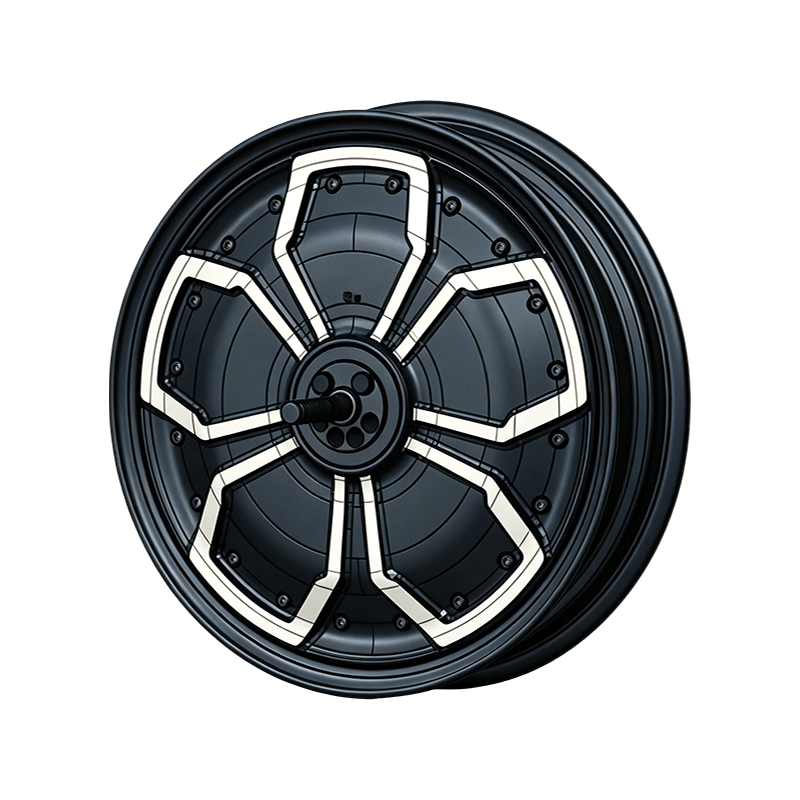
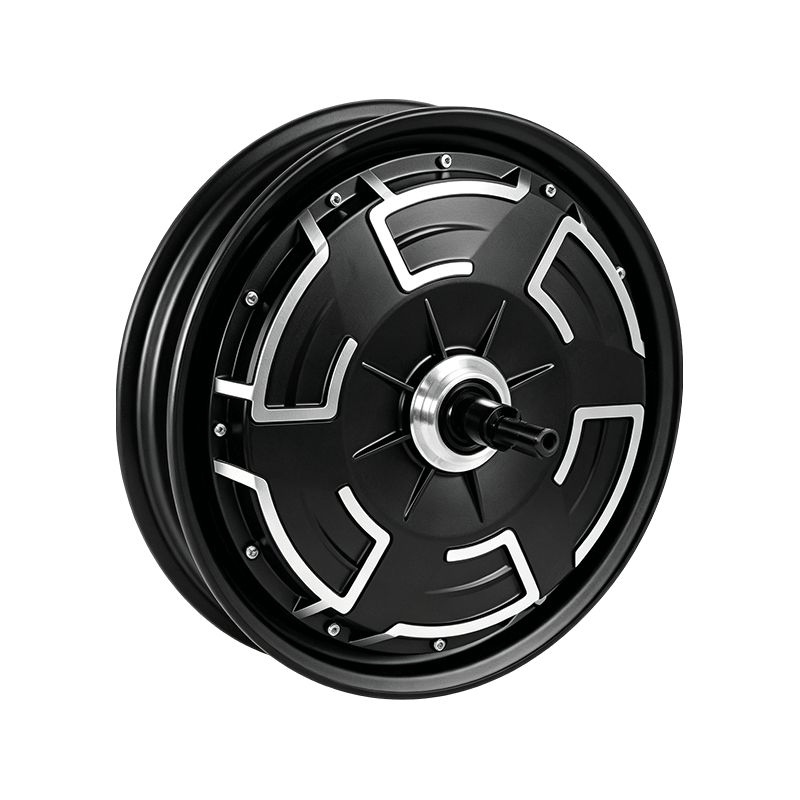
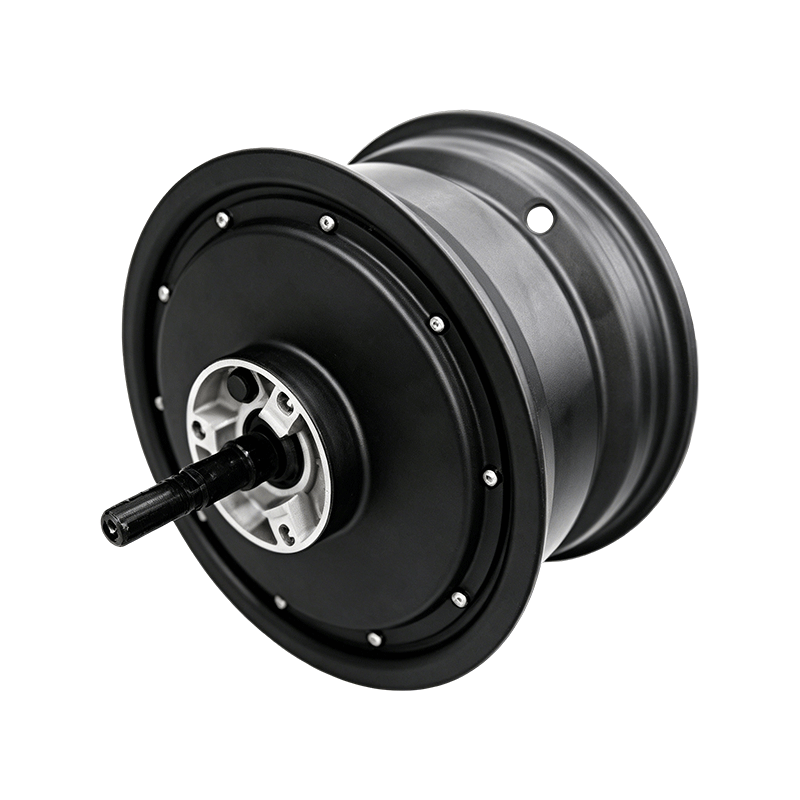
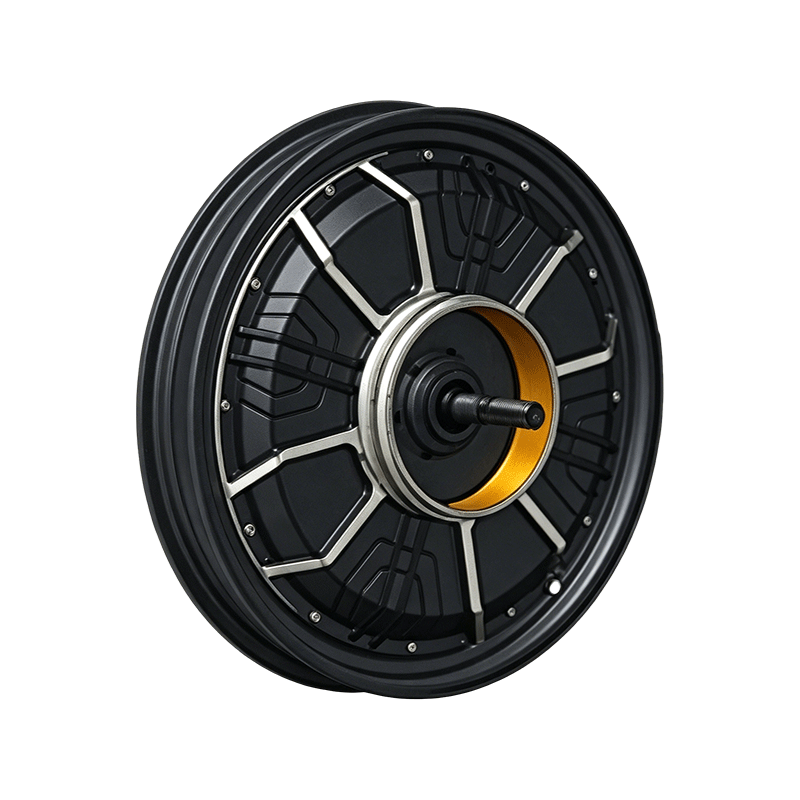
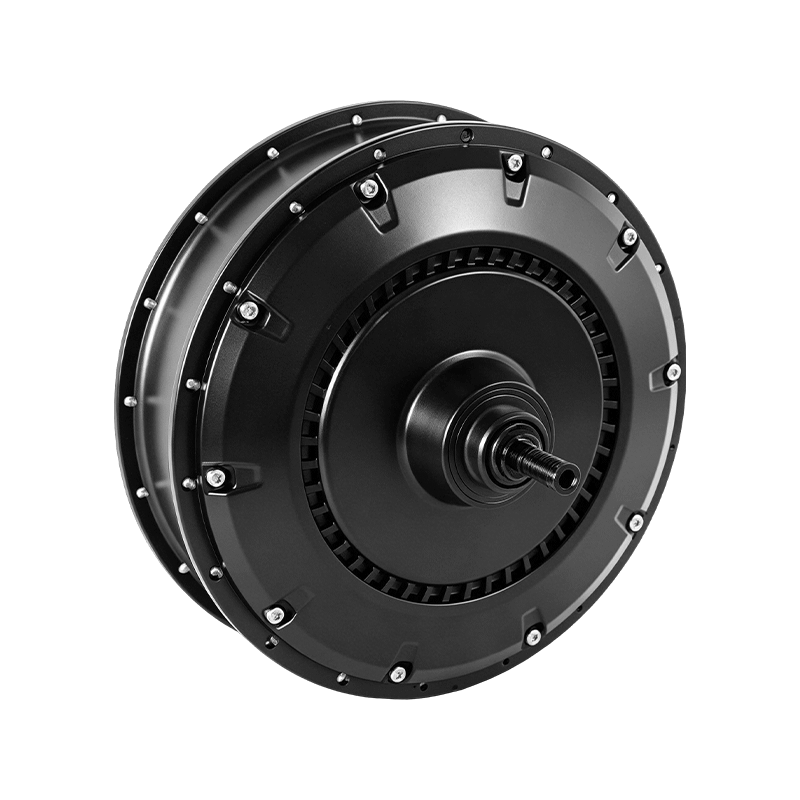
Two common motor arrangements are hub motors and mid-drive motors. A hub motor is integrated into the wheel, creating a relatively direct mechanical layout. This configuration can reduce the number of separate transmission components required between the motor and wheel.
Mid-drive motors are positioned closer to the center of the motorcycle. Power can be transferred through a chain, belt, gear system, or other transmission structure. This arrangement gives designers more flexibility when distributing vehicle components.
Electric Motorcycle Motor Manufacturers may produce different configurations according to vehicle size, target speed, torque requirements, installation space, and drivetrain design.
Motor Output Depends On Several Factors
Motor power is an important specification, but it is only one part of motor performance. Torque, rotational speed, voltage, current, winding configuration, and motor dimensions also influence how a motor operates.
Torque is particularly relevant during acceleration and when a motorcycle starts moving from a stationary position. Rotational speed becomes important when the vehicle reaches higher operating speeds.
For manufacturers, balancing these characteristics requires careful coordination between electromagnetic design and mechanical construction. A motor intended for a lightweight scooter can have very different requirements from one designed for a larger electric motorcycle.
Thermal Design Matters
Electric motors generate heat during operation. Copper losses, magnetic losses, mechanical friction, and other factors contribute to temperature changes inside the motor.
Thermal design therefore becomes an important part of motor development. Manufacturers may use aluminum housings, cooling fins, airflow paths, or other heat-transfer structures to help manage operating temperatures.
The cooling approach depends on motor size, power output, installation location, and vehicle usage. A motor installed inside a wheel has different thermal conditions from a motor mounted within the motorcycle frame.
Motor And Controller Integration
An electric motorcycle motor works together with its controller rather than operating independently. The controller regulates electrical current and communicates with the vehicle's control system.
Hall sensors or sensorless control methods can be used to determine rotor position. This information helps the controller coordinate current switching during motor operation.
Electric Motorcycle Motor Manufacturers therefore need to consider controller compatibility during motor development. Voltage range, current requirements, sensor configuration, connector layout, and communication methods can all affect system integration.
Custom Motors Serve Different Motorcycle Designs
Electric motorcycle manufacturers may require motors with specific dimensions or output characteristics. Custom motor development can address requirements related to mounting holes, axle dimensions, housing size, winding specifications, voltage, torque, and controller communication.
For distributors and vehicle manufacturers, working with Electric Motorcycle Motor Manufacturers that provide several motor configurations can simplify product selection for different vehicle platforms.